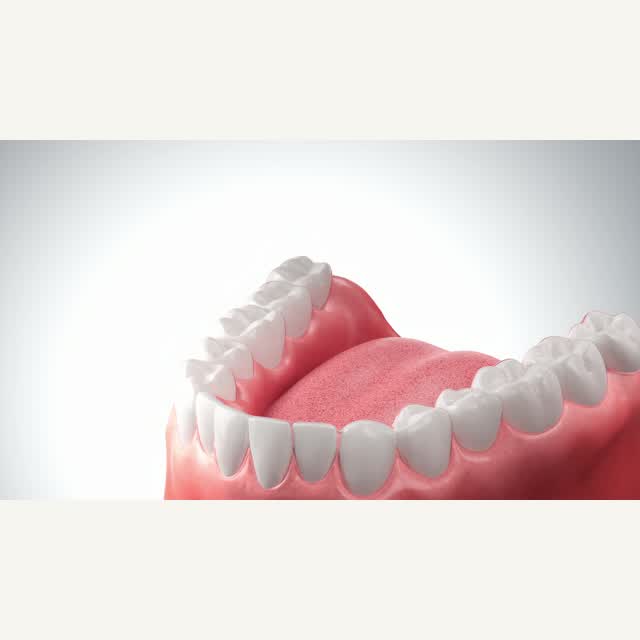

When a tooth is lost, the effects are not always immediate. You may notice the gap at first, but over time, other changes can happen too. Neighbouring teeth can shift. Chewing can feel uneven. The jawbone in that area may gradually reduce because it is no longer being stimulated by a tooth root.
Dental implants are widely regarded as the gold standard for tooth replacement because they address these deeper structural changes, not just the visible space. For those researching dental implants Eastbourne, this combination of stability and durability is often what makes implants stand out.
What Makes Dental Implants Different
Unlike dentures or traditional bridges, dental implants replace both the root and the crown of a missing tooth. A small titanium post is placed into the jawbone. Over time, the bone integrates with the implant surface, forming a stable base. Once healed, a custom-made crown, bridge, or full arch restoration is attached.
This approach means:
- The implant functions independently
- Adjacent teeth do not need to be reshaped
- The replacement tooth is anchored within the bone rather than resting on the gums
Implant placement is a surgical procedure. As with any surgery, there are potential risks, including infection, nerve disturbance, sinus complications in certain upper jaw cases, or implant failure. A comprehensive consultation is required before treatment is recommended.
Strength and Stability You Can Rely On
Dental implants are secured in the jawbone, they are designed to remain stable when you eat and speak. The chewing forces are distributed into the bone in a way that is similar to a natural tooth. This stability is one of the main reasons implants are often preferred in suitable cases.
Supporting Long-Term Jaw Health
One of the less visible effects of tooth loss is bone reduction. When a tooth root is no longer present, the surrounding bone can slowly shrink. Dental implants are placed directly into the bone, allowing them to provide stimulation during normal function. This may help maintain bone levels in the treated area and support overall oral structure.
A Long-Term Investment in Your Oral Health
Patients frequently ask, how long do dental implants last. While no dental treatment can be guaranteed for life, implants can remain functional for many years when properly maintained.
Long-term success depends on:
- Good daily oral hygiene
- Healthy gum tissue
- Regular professional reviews
- General health and lifestyle factors
Another common question is, how much are dental implants. Costs vary depending on the number of implants required, the complexity of the case, and whether additional procedures such as bone grafting are needed. Treatment is usually completed in stages over several months, allowing time for healing before the final restoration is placed.
Options for Different Levels of Tooth Loss
Dental implants can be tailored to suit a range of needs:
- A single implant to replace one missing tooth
- Implant-supported bridges for multiple teeth
- On all 4 dental implants to support a full arch in one jaw
- Full mouth dental implants as part of a comprehensive restoration plan
Each option requires detailed assessment, imaging, and personalised planning.
Exploring Your Options at Orchard Dental Practice
Dental implants are not suitable for everyone. Untreated gum disease, certain medical conditions, or reduced bone levels may affect eligibility. A detailed examination and diagnostic imaging are essential before any recommendation is made.
All surgical procedures carry risks and healing times vary between individuals. Results differ from patient to patient. A consultation with a registered dental professional is necessary to determine the most appropriate treatment option for your needs.
If you would like to explore your options for dental implants in Eastbourne, contact Orchard Dental Practice on 01323 639802